Peace of mind building inspections in Dundee, Perth & Angus
- 07519 922527
- info@globalpreservation.co.uk
- Mon – Fri: 8am – 9pm
Professional rising damp assessment and treatment across Dundee, Perth, Angus and surrounding areas. Free written estimates.
Rising damp is a common problem in older homes and can cause building materials to deteriorate, damage plaster and skirtings, and encourage mould. If your home has a rising damp problem, Global Preservation can assess the cause and recommend an effective solution.
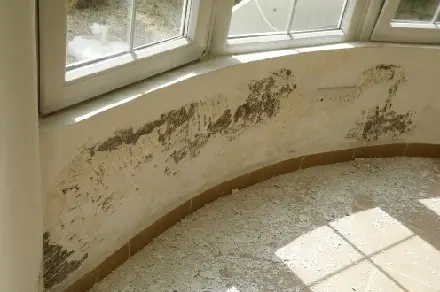
Due to natural evaporation from the surface of walls, rising damp rarely occurs above about 1.5 metres unless forced higher by being trapped between impervious layers of render, paint or wallpaper. Temporary measures like cleaning the surface do not solve the underlying moisture path from the ground.
Rising damp also carries hygroscopic salts (nitrates, sulphates and chlorides). As moisture evaporates from the wall, salts are left in the plaster and can absorb moisture from the air, so walls can look damp even after the original moisture source is reduced. Proper treatment addresses both the damp and contaminated plaster where needed.
If you're buying a house in Dundee or the surrounding areas and have concerns about existing dampness, timber decay or other property issues, Global Preservation can help. Our experienced team can assess areas of concern and provide professional advice on potential damp proofing, timber treatment and property preservation work. Identifying problems before completing your purchase can help you understand the property's condition and avoid unexpected repair costs.
Free written estimate · No obligation
Common signs of rising damp include:
Rising damp can affect external or internal walls. Because moisture travels, the source of the problem is not always where the damage appears. Left untreated it can damage finishes, encourage mould and, over time, affect timber and the value of the property.
The most common factors include the absence or poor condition of a damp-proof course (DPC), plumbing or drainage issues, and bridging from raised garden beds, concrete slabs or pathways that allow ground moisture to bypass the DPC. In many cases more than one factor is involved, which is why a proper inspection matters before treatment.
One approach is reinstating or improving the physical damp-proof course so water and soluble salts cannot rise through the walls. Where a physical DPC is not practical, we may recommend chemical injection: a silicone-based cream is installed into the lowest mortar joints and spreads through the joint to form a water-repellent barrier.
After the barrier is in place, damaged or salt-contaminated plaster is often removed and replaced with a suitable system so walls can dry and stay sound. Our team assesses each property and recommends the method that fits the construction and the extent of the problem.
Preventing or fixing rising damp early helps protect your home and avoids more expensive repairs later. Contact Global Preservation for a professional assessment and a free written estimate.
No. Rising damp usually shows as a tide mark and damaged plaster low on ground-floor walls. Condensation tends to appear as mould on cold surfaces such as windows, corners and behind furniture. Treatments differ, so correct diagnosis is important.
Not always on its own. Salt-contaminated plaster often needs to be removed and replaced after the damp source is controlled, otherwise walls can still look or feel damp.
Both, depending on the property. We inspect first and recommend either reinstating a physical damp-proof course or a chemical injection system, plus any associated plaster and skirting repairs.
Cost depends on the length of wall affected, access and whether plaster and skirtings need replacing. We provide a free written estimate with no obligation after inspection.
